
The East African Community (EAC) and its Development Partners have reaffirmed their commitment to strengthening cooperation, mobilising resources and aligning investments to accelerate implementation of the 7th EAC Development Strategy (2026/27–2030/31) and deliver tangible benefits to the people of East Africa.
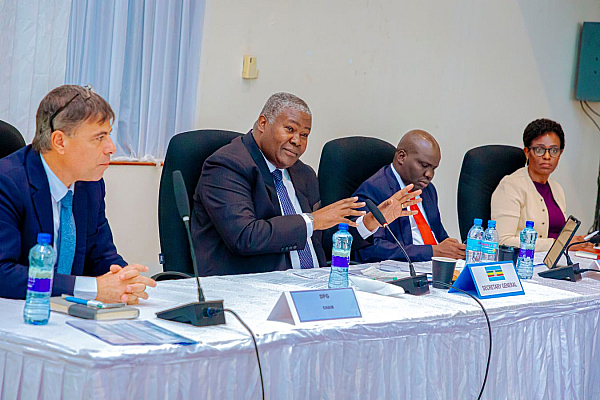
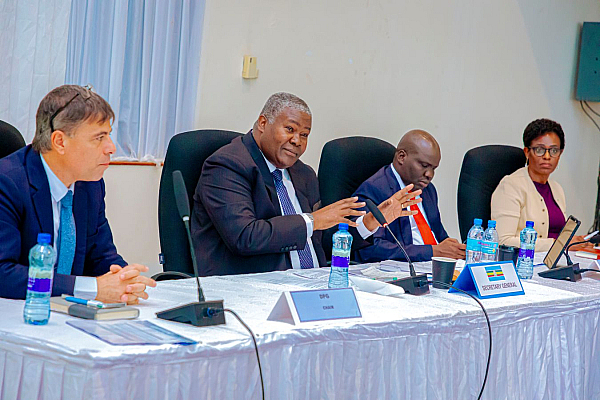
The commitment emerged during the 4th EAC Development Partners Group Forum, held from 10th to 11th November, 2026 at the EAC Headquarters in Arusha. The two-day Forum provided a platform for the Community and Development Partners to engage on EAC priorities, ongoing programmes and emerging financing opportunities, as well as strengthen the effectiveness, strategic alignment and coordination of development partnerships.
At the centre of the engagement was an EAC Project Pipeline comprising 48 project proposals covering regional economic integration, productive sectors, infrastructure, social development, science and technology, institutional strengthening, and peace and security. The pipeline is intended to translate strategic priorities into targeted investments and technical cooperation interventions across the eight EAC Partner States.
Speaking at the Forum, EAC Secretary General, Amb. Stephen Mbundi emphasised that the priority must now be to move decisively from strategy to implementation.
“The 7th EAC Development Strategy sets out an ambitious agenda for a more integrated, competitive and resilient East Africa. Our priority now is implementation. Through this Forum, we hope to move from identifying priorities to building practical partnerships that mobilise financing, technical expertise and investment around programmes that deliver measurable results for our citizens,” said the Secretary General.
The Forum takes place against the backdrop of an established development cooperation portfolio comprising 42 active projects valued at approximately USD 370 million, supported by 12 major Development Partners through both direct and indirect financing modalities. This existing partnership provides a foundation on which the EAC aims to build stronger, more coordinated and results-oriented cooperation during implementation of the 7th Development Strategy.
The Secretary General further underscored the need for partnerships to demonstrate clear regional value and impact. “Our measure of success will not simply be the amount of resources mobilised, but the impact those resources create. We want partnerships that reduce the cost of doing business across borders, strengthen regional infrastructure and productive sectors, create opportunities for our young people and women, and ultimately improve the livelihoods of East Africans,” he noted.
This impact-driven approach is consistent with the 7th EAC Development Strategy, which calls for formalised engagement with Development Partners through inclusive dialogue mechanisms and emphasises resource mobilisation and financial sustainability as critical elements of implementation. The Strategy also recognises the EAC Secretariat’s role in coordinating implementation and mobilising the technical and financial resources necessary to deliver regional priorities.
On the part of the Development Partners, the Forum provided an opportunity to better understand EAC priorities, provide feedback on proposed interventions and identify areas in which financing, expertise and other forms of cooperation can have the greatest regional impact.
Ms. Julia Kronberg, Head of Development Cooperation, Tanzania and EAC, German Embassy in Tanzania and Chairperson of the EAC Development Partners Group reaffirmed the importance of greater alignment and coordination between Development Partner support and EAC priorities.
“Development Partners recognise that achieving sustainable regional impact requires more than financing individual projects. It requires strong alignment with EAC priorities, effective coordination and shared accountability for results. This Forum gives us an opportunity to identify where our collective support can add the greatest value and help turn the priorities of the 7th EAC Development Strategy into meaningful improvements in people’s lives,” she said.
Beyond mobilising additional funding, the Forum seeks to ensure that Development Partner engagement contributes directly to the EAC’s wider objective of building a more integrated, competitive and resilient region, with regional programmes that expand trade and investment opportunities, strengthen infrastructure and productive capacity, support peace and security, and improve livelihoods.
Distributed by APO Group on behalf of East African Community (EAC).


